
Choosing the right asphalt plant capacity is not just a technical decision. For contractors, investors, and project managers, it is a business decision that affects cost control, construction efficiency, and delivery risk. Many asphalt projects fail to reach expected profits not because of poor workmanship, but because the asphalt plant TPH (tons per hour) does not truly match the project’s real needs.
In this article, we will look at asphalt plant capacity selection from a practical construction perspective. We will connect project scale, budget limits, and timeline pressure step by step. By the end, you will clearly understand how to choose the right TPH without overspending or underestimating risks.
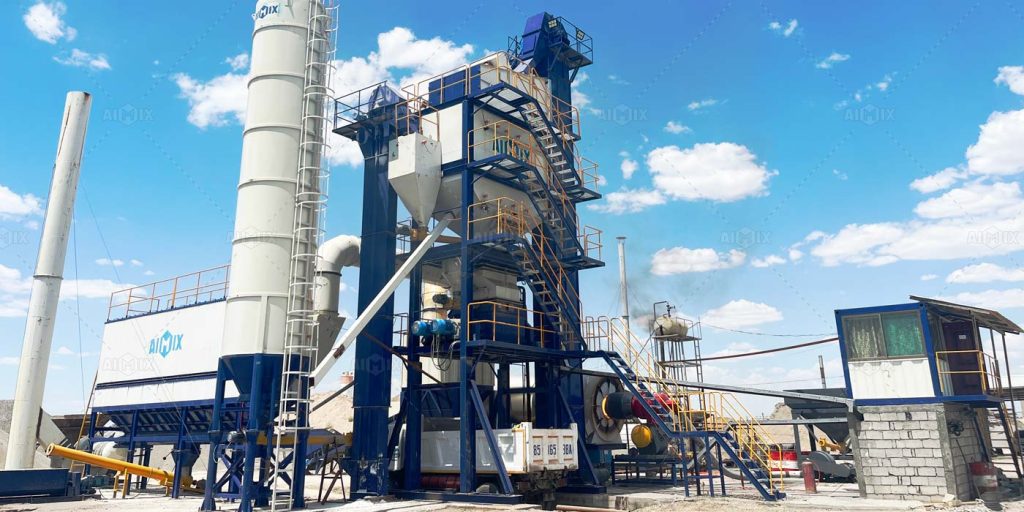
Understanding What Asphalt Plant TPH Really Means
Before matching capacity to a project, it is important to understand what TPH actually represents. Many buyers only see it as a number on a specification sheet. In reality, it reflects production rhythm, logistics coordination, and site efficiency.
TPH Is Output, Not Daily Production
Asphalt plant TPH means the theoretical output per hour under ideal conditions. However, real projects never run under perfect conditions. Weather changes, material moisture, truck waiting time, and operator skill all affect actual output.
For example, a 120 TPH asphalt plant may produce only 90–100 TPH on site. Therefore, TPH should always be evaluated with a realistic margin, not as a fixed promise.
Why Misunderstanding TPH Leads to Cost Problems
If you select a plant with too low TPH, production becomes the bottleneck. Paving crews wait. Trucks queue. Fuel and labor costs rise. On the other hand, if TPH is too high, the plant stays underutilized. Capital cost increases without real returns.
This is why matching TPH to real project demand matters so much.
Matching Asphalt Plant TPH with Project Scale
Once we clarify what TPH truly represents, the next step is to connect it with project scale. Project scale determines how much asphalt you need and how fast you must produce it.
Small-Scale Projects: Municipal and Rural Roads
Small municipal roads, village roads, or maintenance projects usually require limited daily output. Construction often happens in short sections. Traffic control windows are tight.
For these projects, small asphalt plants for sale in the range of 40–80 TPH often make sense. They are easier to transport. They require less foundation work. They also consume less fuel during idle time.
More importantly, smaller plants match the flexible pace of small projects. You avoid overproduction and material waste.
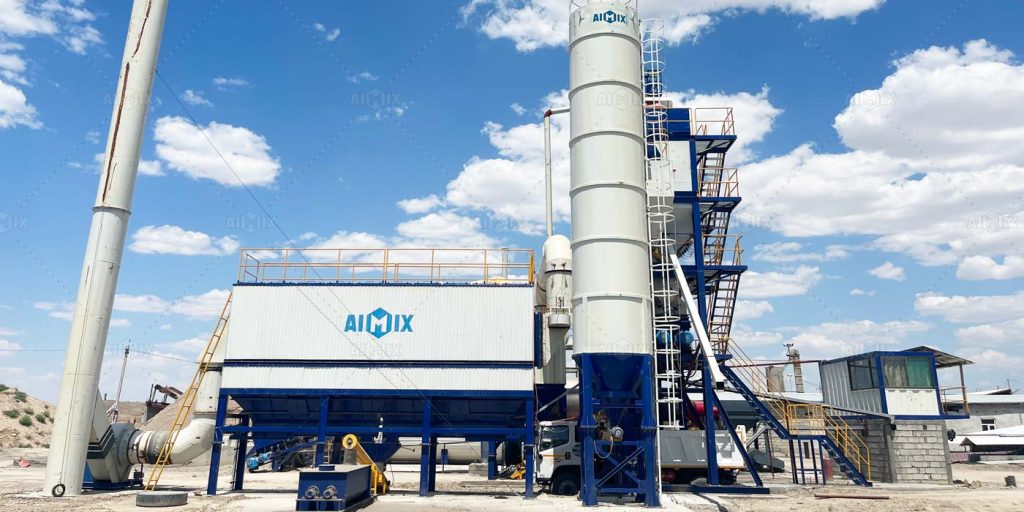
Medium-Scale Projects: Regional Highways and Industrial Parks
As project size increases, production rhythm becomes more critical. Regional highways and industrial parks often require steady asphalt supply for long paving sections.
In this case, 80–160 TPH asphalt plants become the mainstream choice. They balance productivity and cost well. They also support continuous paving, which improves surface quality.
At this scale, logistics coordination matters more. Aggregate supply, asphalt storage, and truck scheduling must support the selected TPH.
Large-Scale Projects: Expressways and Airports
Large infrastructure projects demand speed and stability. Delays cause heavy penalties. Weather windows are short.
For expressways, airports, and large urban highways, 160–320 TPH asphalt plants are often required. These plants support high daily output and reduce construction duration.
However, higher TPH also means higher requirements for power supply, foundations, and skilled operators. These factors must align with the project environment.
Balancing Asphalt Plant TPH with Budget Constraints
After evaluating project scale, budget becomes the next decisive factor. Even when a higher TPH seems attractive, it must make financial sense.
Initial Investment vs Long-Term Cost
Higher TPH asphalt plant costs are more upfront. They also require stronger foundations and larger auxiliary systems. However, they may reduce labor cost per ton and shorten project duration.
Lower TPH plants reduce initial investment. Yet, longer construction time may increase indirect costs. These include site management, equipment rental, and traffic control.
Therefore, the real question is not “How much does an asphalt plant cost?” but “How much does each ton of asphalt cost over the project lifecycle?”
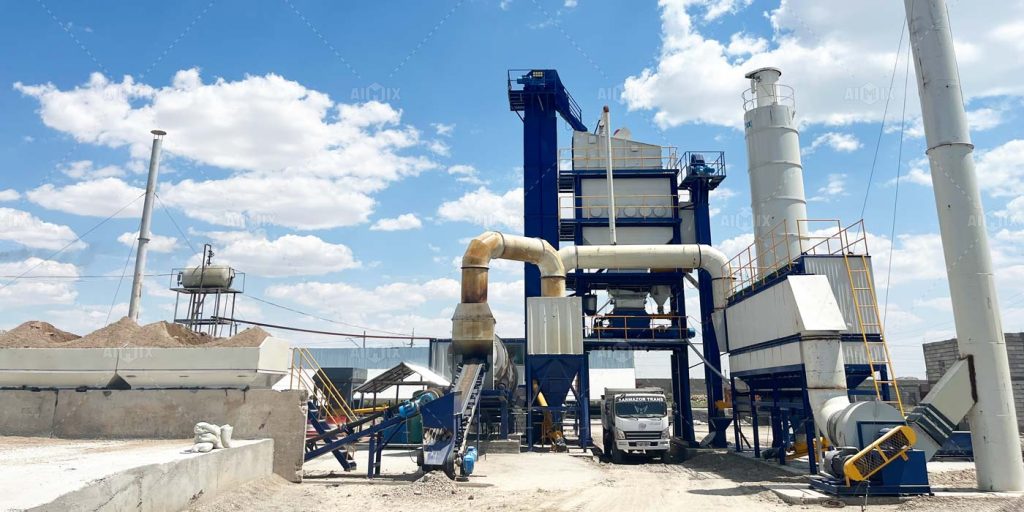
Budget-Sensitive Projects Need Smart Capacity Choices
For contractors with limited budgets, choosing the minimum acceptable TPH often works better than chasing maximum output. A slightly smaller plant with high reliability often outperforms a larger plant that strains cash flow.
In many cases, modular asphalt plants offer a smart compromise. They allow future capacity upgrades when business grows. This reduces financial pressure at the early stage.
Aligning Asphalt Plant TPH with Project Timeline
Beyond scale and budget, timeline pressure plays a critical role. Time is often the most expensive factor in road construction.
Short Timelines Require Capacity Buffer
If your project schedule is tight, you need capacity buffer. This means selecting a TPH slightly higher than the calculated demand.
The buffer absorbs weather delays, equipment maintenance, and unexpected stoppages. Without it, even small issues can derail the entire schedule.
Long-Term Projects Favor Stable Efficiency
For long-term projects, stability matters more than peak output. Continuous operation at 70–80% capacity often delivers better results than pushing a plant at full load.
In this scenario, selecting a moderate TPH that runs smoothly every day helps control maintenance costs and material quality.
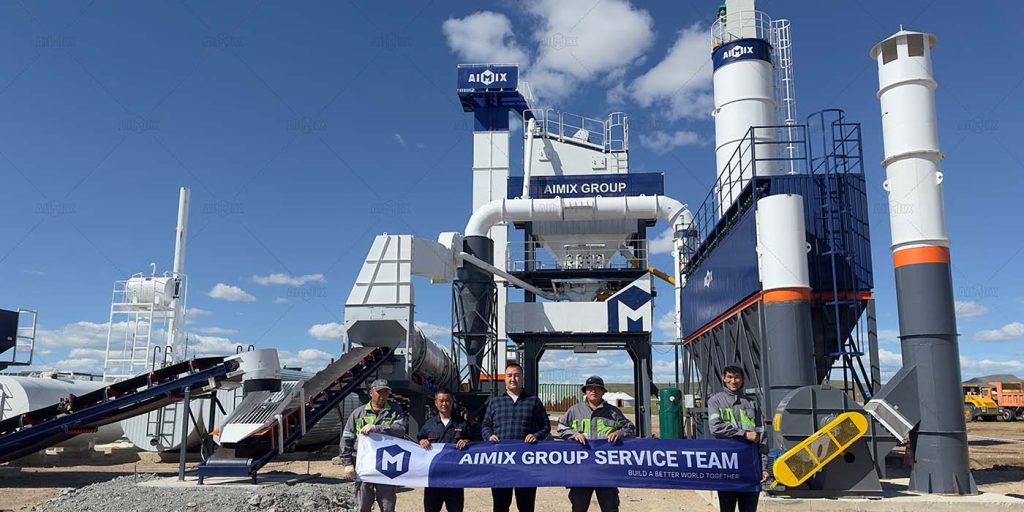
Common Mistakes When Choosing Asphalt Plant TPH
Understanding common mistakes can help you avoid expensive lessons.
Relying Only on Theoretical Output
Many buyers choose TPH based only on brochures. They ignore real operating conditions. This often leads to disappointment on site.
Ignoring Logistics and Supply Chain
A high TPH plant is useless if aggregate supply is unstable. Asphalt plants must match quarry capacity, fuel availability, and transport distance.
Overestimating Future Projects
Some buyers choose large TPH plants based on uncertain future projects. If those projects do not materialize, the plant becomes a financial burden.
How Experienced Contractors Make Better TPH Decisions
Experienced contractors focus on data and realism. They calculate daily asphalt demand. They assess working hours. They include contingency margins.
They also consult manufacturers who understand real construction scenarios, not just equipment sales.
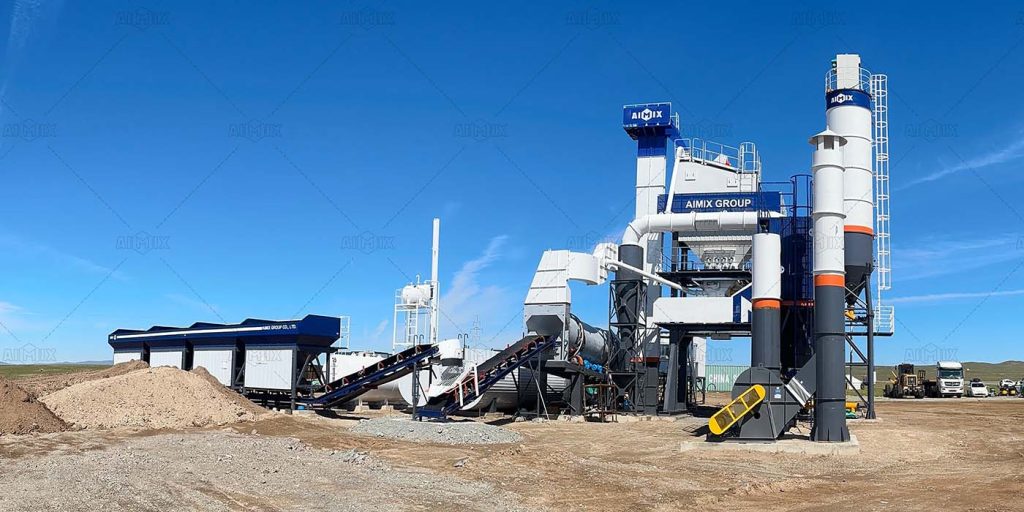
Choosing the Right Partner Matters as Much as Choosing TPH
Even the best TPH selection fails without reliable equipment and service. Asphalt plants operate under harsh conditions. Support matters.
A trustworthy asphalt plant supplier helps you evaluate your project honestly. They recommend suitable capacity, not just higher-priced models. They also provide installation guidance and after-sales service.
Final Thoughts and Call to Action
Matching asphalt plant TPH with project scale, budget, and timeline is a strategic decision. It requires understanding real construction needs, financial limits, and schedule risks. When done right, it improves efficiency, reduces cost, and protects profit.
If you are planning an asphalt project and feel unsure about capacity selection, professional guidance can save you time and money. At MACROAD, we focus on practical solutions, not overselling. Our asphalt plants are designed for real job sites and real contractors.
Contact our team today to discuss your project details. Together, we can find the right asphalt plant TPH that truly fits your construction goals.