
Rubber Tyred Gantry (RTG) cranes are essential equipment in modern container terminals, intermodal yards, and logistics hubs. As global trade volume increases and ports face stronger environmental regulations, energy efficiency has become a central design priority for RTG manufacturers and operators. Traditional diesel-powered RTGs are being rapidly replaced or upgraded with hybrid, electric, and energy-recovery systems that significantly reduce fuel consumption, emissions, and operating costs.
This article explores the key energy-saving technologies used in modern rubber tired gantry cranes and how they contribute to greener, more efficient port operations.
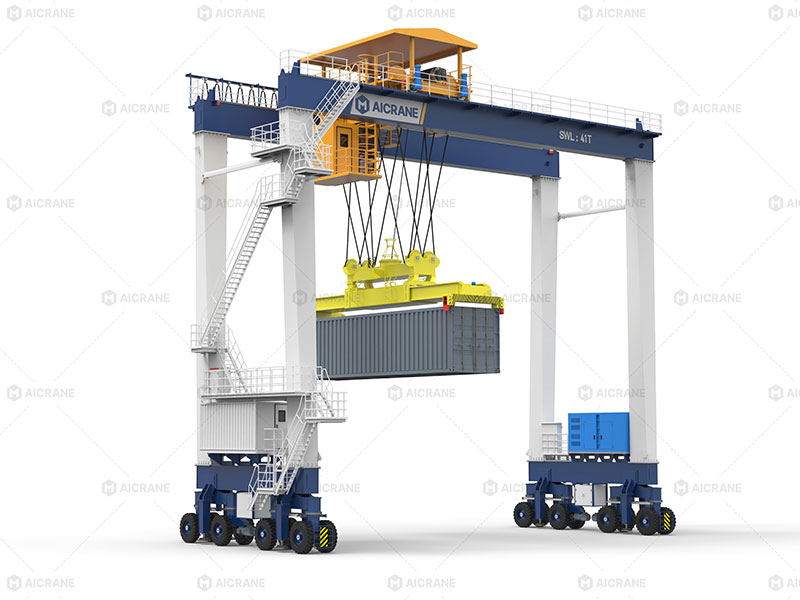
1. Hybrid Power Systems (Diesel-Electric + Battery Integration)
One of the most widely adopted energy-saving technologies in RTG cranes is the hybrid power system. Instead of relying solely on a diesel generator, hybrid RTGs combine diesel engines with lithium-ion battery packs or supercapacitors.
How it works
During low-load operations or idle periods, the crane draws power from the battery system. When peak power is required—such as hoisting a heavy container—the diesel generator activates to supplement energy demand.
Energy-saving advantages
- Reduces diesel fuel consumption by 30%–60%
- Minimizes engine idling time
- Allows engine operation at optimal efficiency range
- Decreases maintenance frequency due to lower engine wear
Hybrid systems are especially effective in terminals with intermittent workloads, where cranes are not continuously operating at full capacity.
2. Fully Electric RTG Cranes (Grid-Powered Systems)
A major shift in modern container terminals is the adoption of fully electric RTG container cranes powered by the local electrical grid. These systems eliminate diesel engines entirely.
Power supply methods
- Cable reels
- Busbar systems
- Cable drag chains
Energy-saving benefits
- Zero on-site fuel consumption
- Significantly lower carbon emissions
- High energy conversion efficiency (electric motors >90%)
- Reduced noise pollution in port environments
Electric RTGs are particularly suitable for “green ports” aiming to achieve carbon neutrality targets.
3. Regenerative Energy Recovery Systems
Energy recovery technology is one of the most important innovations in RTG crane design. During lowering operations or braking, cranes generate excess kinetic energy that would normally be wasted as heat.
Regenerative system function
When a container is lowered, the hoist motor switches into generator mode, converting mechanical energy back into electrical energy. This recovered energy is then:
- Stored in batteries or supercapacitors
- Fed back into the grid (in electric RTGs)
- Reused by other crane functions
Energy-saving impact
- Reduces total energy consumption by up to 20%–30%
- Improves overall system efficiency
- Reduces brake wear and mechanical stress
Regenerative braking is now a standard feature in most high-performance RTG cranes.
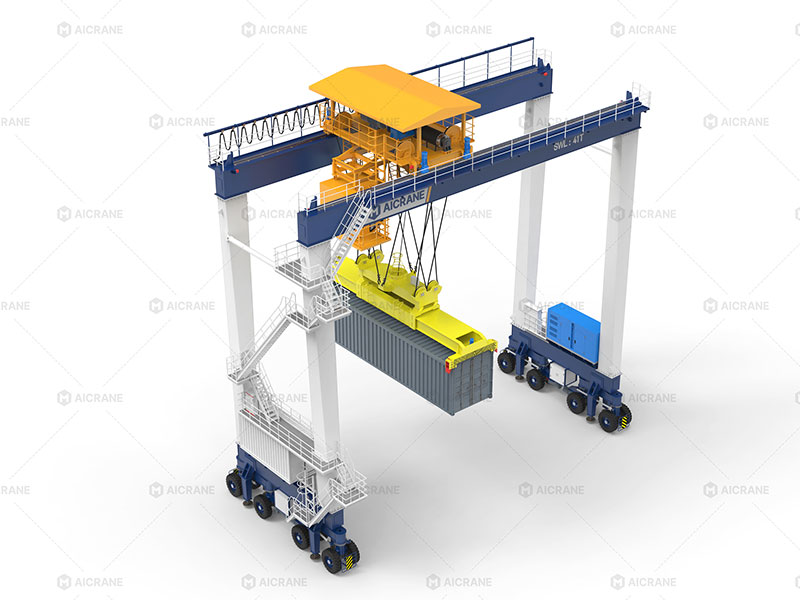
4. Smart Power Management Systems
Modern RTG cranes are equipped with intelligent energy management systems that optimize power distribution in real time.
Key features
- Load-based power adjustment
- Automatic idle shutdown
- Multi-crane energy coordination
- Peak shaving and load balancing
Operational benefits
Instead of running all systems at full power continuously, smart controllers ensure energy is only used when necessary. For example, auxiliary systems like cooling, lighting, and hydraulics automatically reduce consumption during idle periods.
Energy efficiency results
- 10%–25% reduction in overall energy usage
- Improved power stability in terminal networks
- Lower peak electricity demand charges
5. Variable Frequency Drive (VFD) Technology
Variable Frequency Drives are widely used in RTG mobile gantry cranes to control motor speed and torque based on actual operational needs.
How VFD improves efficiency
Instead of running motors at constant speed, VFD systems adjust motor output dynamically:
- Slow speed during precise positioning
- High speed during long travel movements
- Smooth acceleration and deceleration
Advantages
- Reduces energy waste during partial-load operation
- Minimizes mechanical shock and vibration
- Extends motor lifespan
- Improves operational accuracy
VFD technology is now a standard feature in hoisting, trolley travel, and gantry travel systems.
6. Lightweight Structural Design and Material Optimization
Energy efficiency is not only about electrical systems—structural engineering also plays a major role.
Design improvements
Modern RTG cranes use:
- High-strength low-alloy steel
- Finite element optimization (FEA)
- Modular lightweight structures
Impact on energy consumption
- Lower overall crane weight reduces driving energy demand
- Reduced rolling resistance of rubber tires
- Less power required for acceleration and braking
A lighter crane structure directly translates into lower fuel or electricity consumption during every operational cycle.
7. Energy-Efficient Rubber Tyre and Travel Systems
The mobility system of RTG cranes is another important energy consumption factor.
Innovations include
- Low rolling resistance rubber tyres
- Optimized wheel alignment systems
- Electric travel drives with high-efficiency motors
Benefits
- Reduced friction losses during gantry movement
- Lower energy required for yard repositioning
- Improved maneuverability with less power input
Some advanced RTG systems also include automatic steering modes that optimize turning angles, further reducing energy loss during travel.
8. Intelligent Standby and Sleep Modes
Ports often operate in cycles, meaning RTG port gantry cranes experience periods of inactivity. Modern systems use intelligent standby modes to reduce energy consumption during these idle times.
Functions
- Automatic engine shutdown (for diesel RTGs)
- System sleep mode for electrical components
- Reduced hydraulic pressure maintenance
- Restart optimization systems for quick resumption
Energy savings
- Up to 15% reduction in idle fuel consumption
- Significant reduction in unnecessary system wear
This feature is especially useful in terminals with shift-based operations.
9. Advanced Hydraulic System Optimization
Hydraulic systems in RTG cranes traditionally consume significant energy. Modern designs focus on improving efficiency through:
Key improvements
- Load-sensing hydraulic pumps
- Energy-efficient valves
- Reduced internal leakage systems
- On-demand pressure control
Benefits
- Eliminates unnecessary hydraulic power loss
- Reduces heat generation
- Improves response speed and precision
These optimizations ensure hydraulic systems only consume energy when actual lifting or adjustment is required.
10. Digital Monitoring and Predictive Energy Optimization
With the rise of Industry 4.0, RTG cranes are increasingly integrated with digital monitoring platforms.
Smart technologies include
- IoT-based energy tracking systems
- AI-driven load prediction
- Remote performance diagnostics
- Energy consumption dashboards
Operational advantages
- Identifies inefficient operating patterns
- Provides real-time optimization suggestions
- Enables predictive maintenance to avoid energy waste from faulty components
By analyzing historical data, terminals can continuously refine crane operations for maximum energy efficiency.
Conclusion
Modern Rubber Tyred Gantry cranes are no longer just heavy lifting machines—they are intelligent, energy-optimized systems designed for sustainable port operations. Through hybrid power systems, regenerative braking, VFD technology, smart energy management, and lightweight structural design, RTG cranes now achieve dramatically lower energy consumption compared to traditional models.
As ports worldwide move toward decarbonization and green logistics, energy-saving technologies in RTG cranes will continue to evolve. Fully electric systems, AI-based optimization, and advanced energy storage solutions will further enhance efficiency and reshape the future of container handling equipment.
In this transition, energy-efficient RTG cranes are becoming not only an operational advantage but also a strategic necessity for modern terminals aiming to reduce costs and meet global environmental standards.