
The degree of compatibility between an asphalt batch mixing plant and asphalt paving machinery significantly impacts the overall cost and project cycle of municipal roads. Optimal matching enhances efficiency, reduces waste, and limits downtime, all of which contribute to lower costs and faster project completion. Understanding these relationships allows contractors to make informed decisions, ultimately resulting in better resource management and effective project execution.
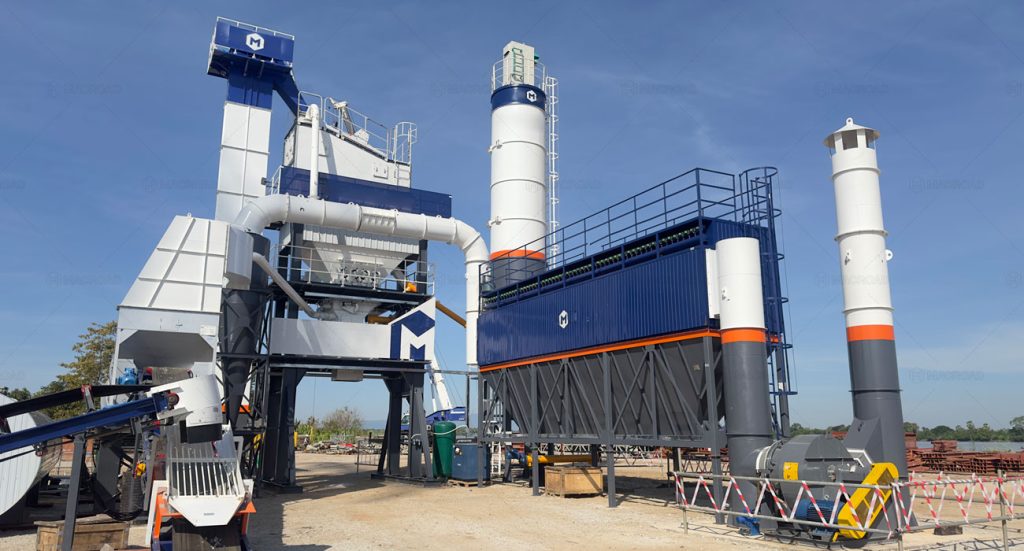
Efficiency and Productivity Gains
One of the most significant impacts of a strong matching degree between an asphalt batch mixing plant and asphalt paving machinery is the efficiency and productivity gains realized on municipal road projects. When these two pieces of equipment work harmoniously, the entire asphalt production and application process is streamlined.
For instance, a well-matched asphalt batch mixing plant can produce asphalt mixes that perfectly suit the specifications required by the paving machinery. This compatibility means that the machinery can operate at optimum settings, which directly increases the speed of application. Enhanced productivity allows contractors to complete projects within shorter timeframes, significantly reducing labor costs and other associated expenses.
Moreover, an efficient mixing process minimizes material waste, which is often a hidden cost in asphalt production. When the right mix is consistently delivered to the paving machinery, any mismatches that might require rework or additional materials are eliminated. This not only boosts immediate project performance but also contributes to savings over the course of the project, making the initial investment in compatible equipment worthwhile.
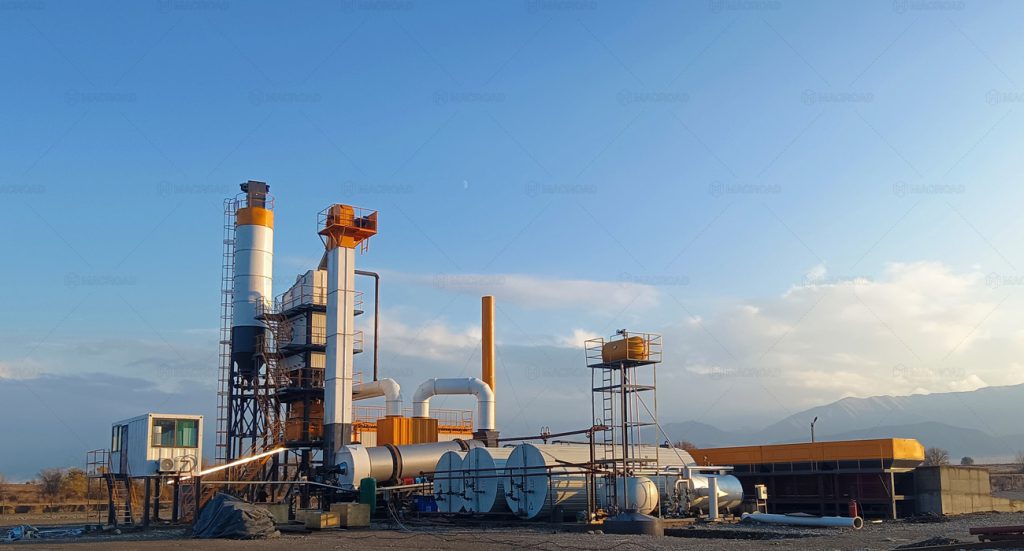
Reduced Downtime and Maintenance Costs
The matching degree between an asphalt batch mixing plant and asphalt paving machinery also plays a crucial role in reducing downtime and maintenance costs. When equipment is compatible, it operates smoothly, which minimizes the risk of breakdowns that can lead to costly delays.
For example, an asphalt batch mixing plant designed specifically for the type of paving machinery being used can reduce the likelihood of mechanical failures. This is particularly important during peak construction seasons, where any downtime can mean significant financial losses and project delays. Therefore, contractors benefit financially when choosing well-matched equipment, as fewer mechanical issues translate into lower maintenance costs.
Additionally, consistent performance with compatible machinery fosters better project scheduling. A strong alignment means that both the asphalt production and paving processes can occur without interruption. This reliability is vital for staying on schedule, particularly for municipal road projects that often face tight deadlines.
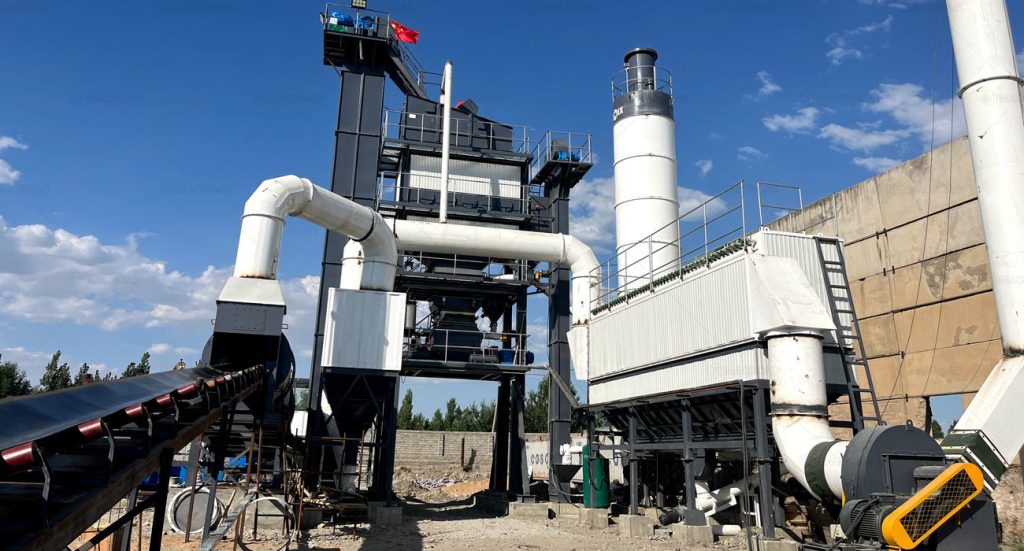
Long-Term Cost Savings
Investing in a well-matched asphalt batch mixing plant and asphalt paving machinery not only impacts immediate expenses but also contributes to long-term cost savings. The initial capital outlay may be more substantial, especially if advanced machinery is involved, but the returns can far outweigh these costs over time.
For example, consistent quality in asphalt production leads to increased durability of municipal roads. When the appropriate mix is applied correctly, it ensures that the paved surfaces last longer, reducing the need for early repairs and maintenance. This longevity is crucial for municipal budgets that often allocate significant resources for road maintenance.
Furthermore, successful project execution that arises from enhanced compatibility generally leads to greater client satisfaction. For municipalities, this can result in more projects being awarded to the same contractors, making it easier to secure future work. As a result, the initial investment in matching equipment can foster long-term relationships that yield consistent revenue streams.
Conclusion
In conclusion, the matching degree between an asphalt batch plant and asphalt paving machinery has a profound impact on the overall cost and project cycle of municipal roads. Enhanced efficiency and productivity, reduced downtime and maintenance costs, and long-term savings all highlight the importance of optimal compatibility. By understanding these dynamics, contractors can make informed decisions that not only improve operational efficiency but also enhance the financial viability of their projects. Ultimately, investing wisely in matching equipment contributes significantly to successful municipal road construction and paving outcomes.