
The construction landscape in Latin America is undergoing a massive transformation, driven by large-scale infrastructure projects, urban expansion, and mining developments. Historically, major contractors relied on a standalone concrete plant positioned at a specific project site to meet localized production needs. While this centralized approach works efficiently for isolated, mega-scale builds, it falls short when contractors manage multiple concurrent projects across an entire region. Today, leading construction firms are shifting toward a networked production model, strategically deploying multiple batching assets to build resilient, flexible, and highly optimized regional concrete supply chains.
This structural evolution is particularly prominent in countries with challenging geography and rapid urban growth, such as Peru, Chile, and Colombia. By transitioning from isolated operations to a connected grid of production units, regional contractors can significantly reduce transport times, eliminate supply bottlenecks, and maximize equipment utilization rates of concrete plant(planta de concreto). Building a successful network, however, requires a deep understanding of logistics, regional demand forecasting, and selecting the right equipment configurations for varied operating environments.
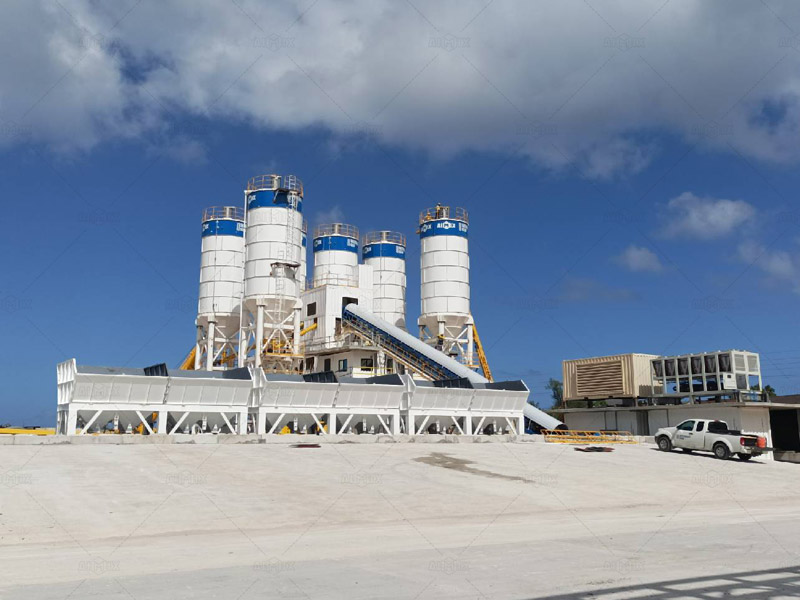
The Evolution from Isolated Plants to Regional Networks
Relying on a single, isolated concrete plant introduces substantial operational risks, especially when navigating the complex infrastructure of Latin American territories. A single mechanical failure or transport delay can entirely halt progress on multiple job sites, causing expensive project overruns. By contrast, a networked strategy distributes production capacity across multiple strategic nodes, allowing contractors to mitigate these vulnerabilities effectively.
Overcoming Logistical and Geographical Barriers
Geography presents a constant challenge for logistics managers in South America. For instance, a contractor operating concrete batching plants in Peru(contratista que opera planta dosificadora de concreto Perú) must often account for extreme elevation changes, narrow Andean passes, and coastal desert terrain. If a firm relies on a single massive production hub, delivering fresh concrete to remote sites before it begins to set becomes nearly impossible. Deploying a network of mid-sized facilities allows contractors to establish localized radius zones, ensuring that transit times from the mixer to the pour site remain safely within strict technical limits.
Optimizing Fleet Management and Equipment Load
A networked approach allows companies to balance production loads dynamically. If one project site experiences a temporary delay, the concrete plant serving that specific area can scale down its output, while a neighboring facility in the network ramps up production to meet a sudden surge in demand elsewhere. This fluidity prevents asset idling and optimizes the schedule of specialized transit mixers, reducing fuel consumption and operational wear across the entire corporate fleet.
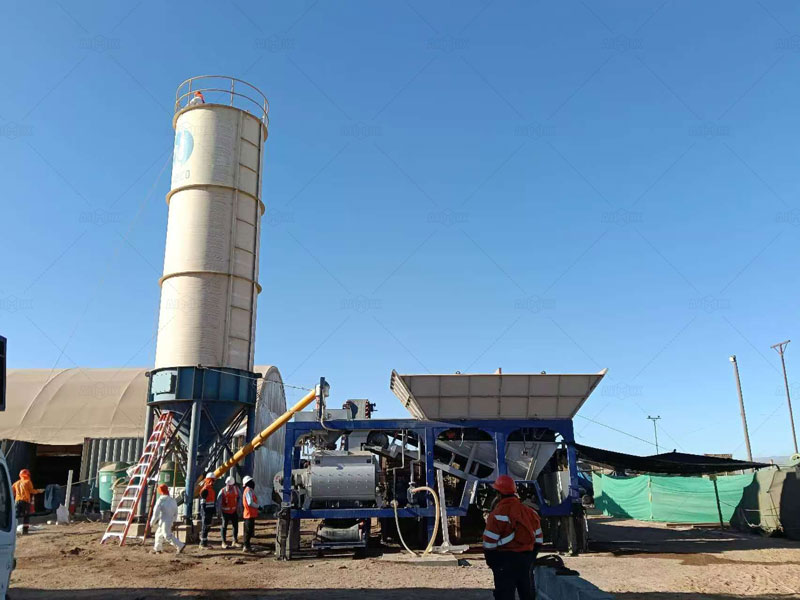
Strategic Asset Allocation in a Production Network
Building a successful network does not mean purchasing identical machinery for every location. Instead, savvy contractors match specific asset capabilities to the unique demands of each regional node, combining permanent infrastructure with agile, temporary production setups.
To visualize how large contractors structure these networks, look at the common distribution of assets across a typical regional territory:
| Node Type | Primary Function | Equipment Configuration |
|---|---|---|
| Central Hub Facility | High-volume commercial supply and permanent urban infrastructure. | High-capacity stationary concrete plant with twin-shaft mixers. |
| Satellite Nodes | Supporting secondary urban centers or linear road construction. | Compact stationary or easily relocatable batching units. |
| Tactical Mobile Units | Short-term remote projects, mining sites, or rapid emergency works. | Fully mobile, trailer-mounted batching setups. |
Securing the Right Mix of Fixed and Flexible Assets
When searching for a concrete plant for sale(Al buscar una venta de planta de concreto), procurement departments must analyze how the new asset fits into the existing regional ecosystem. A balanced network typically features a high-capacity stationary hub located near a major urban center or deep-water port, supported by smaller satellite facilities along key transport corridors. This mix ensures that the business can fulfill massive, continuous commercial orders while remaining flexible enough to bid on smaller, scattered public works projects simultaneously.
The Critical Role of Ready-Mix Infrastructure
As urban density increases in capitals like Lima, Santiago, and Bogotá, the demand for precise, high-specification concrete mixes grows. Contractors are increasingly upgrading their networks to feature advanced ready mix concrete plant(planta de hormigón elaborado) configurations capable of automated material dosing and real-time moisture adjustment.
- Quality Standardization: Centralized digital control systems allow an engineer at the main corporate headquarters to monitor the batching formulas across all concrete batching plants in Peru or neighboring regions, guaranteeing consistent concrete strength across different job sites.
- Supply Continuity: If a local ready mix concrete plant undergoes scheduled maintenance, nearby nodes in the network can immediately absorb the excess demand, preventing any disruption to ongoing commercial deliveries.
- Inventory Efficiency: A connected network enables bulk purchasing of cement, fly ash, and chemical admixtures, significantly lowering the raw material costs for every concrete plant within the system.
Overcoming Implementation Challenges in Latin America
While the benefits of a networked strategy are clear, execution requires overcoming local regulatory, technical, and capital constraints. Managing a distributed network demands higher initial capital expenditure and sophisticated management software to synchronize operations across multiple sites.
Procurement teams must carefully vet global manufacturers when analyzing a concrete plant for sale, looking beyond the initial price tag to evaluate the availability of regional technical support, localized software configurations, and reliable parts distribution. Furthermore, compliance with diverse environmental regulations across municipal borders requires a flexible equipment supplier capable of adapting dust-suppression and water-recycling systems to meet strict local codes.
Ultimately, transitioning from standalone operations to a smart, networked regional strategy empowers Latin American contractors to scale their operations efficiently. By treating production assets as an interconnected ecosystem, construction firms can de-risk their project pipelines, maximize their equipment return on investment, and secure a dominant position in highly competitive regional markets.