
Emergency road repair projects demand speed, precision, and reliability at the same time. When a highway cracks at night or a city road collapses after heavy rain, contractors do not have the luxury of long setup times or complex logistics. Every hour of delay increases traffic disruption, safety risks, and economic loss. That is why choosing the right asphalt plant becomes a critical decision, not just a technical one.
In this article, we explore which asphalt plant works best for emergency road repair projects. We focus on real construction needs, not theory. You will see how different plant types perform in urgent scenarios and what factors truly matter when time is limited and expectations are high.
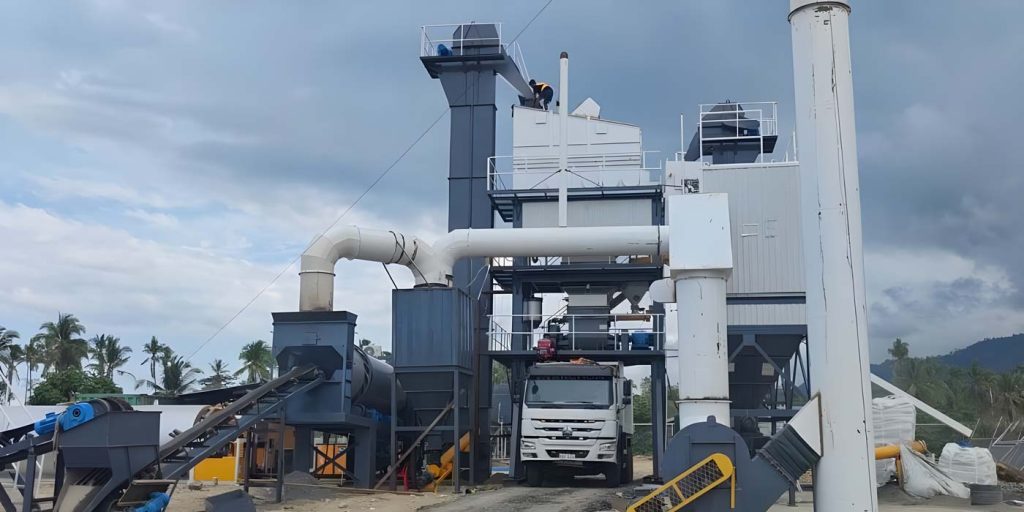
Why Emergency Road Repair Projects Need Special Asphalt Plant Selection
Emergency road repair is very different from standard highway construction. In regular projects, contractors can plan production schedules, material delivery, and site preparation in advance. However, emergency situations force a completely different workflow.
First, time becomes the most important factor. Roads must reopen as fast as possible. Second, site conditions are often unpredictable. You may deal with night work, limited working space, or damaged access roads. Third, coordination becomes more complex because traffic control and safety teams must work alongside construction crews.
Because of these conditions, the asphalt plant must support fast deployment, stable output, and flexible operation. Otherwise, even a strong construction team will struggle to meet deadlines.
To understand equipment options more broadly, it helps to first review different types of asphalt plant. This gives contractors a clearer foundation before choosing a specific solution.
Now that we understand the urgency, let’s break down what really matters in selecting the right equipment.
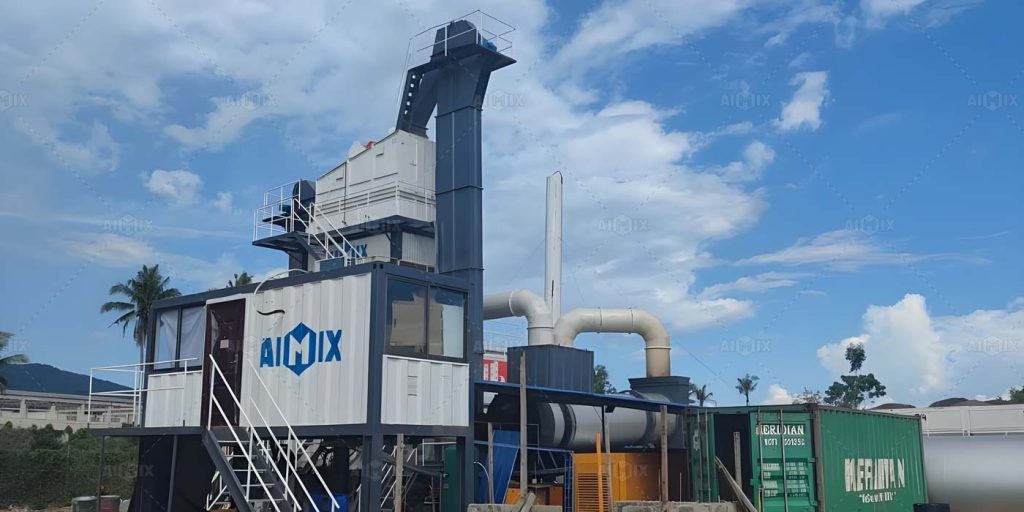
Key Requirements For Asphalt Plants In Emergency Repair Work
Before choosing any plant type, contractors should evaluate several practical requirements. These factors directly affect project speed and performance in real conditions.
Fast Setup And Mobility
Emergency projects often start immediately after road damage occurs. Therefore, the asphalt plant must be easy to transport and quick to install. A plant that requires weeks of setup will slow down the entire repair process and increase traffic disruption.
Mobile systems usually perform better here because they reduce foundation work and simplify installation steps.
Stable And Continuous Production
Even in emergency situations, asphalt quality cannot drop. Poor mix quality leads to rework, which wastes time and materials. A good plant must maintain stable temperature control, precise mixing, and consistent output.
This becomes even more important when crews work at night or under pressure. Stable production reduces mistakes and improves paving speed.
Flexible Capacity Adjustment
Emergency road repair projects vary in scale. Some may involve a small intersection repair, while others may require kilometers of highway resurfacing. The asphalt plant must adapt to different output needs without major adjustments.
This flexibility helps contractors avoid overproduction or material shortages during critical moments.
Fuel Efficiency And Operating Cost Control
Emergency projects often run under tight budgets and short timelines. A fuel-efficient plant reduces operating costs while maintaining high output. This also allows longer continuous operation, especially during overnight repairs.
For contractors searching locally, many begin by looking for an aggregate asphalt plant near me to quickly identify available production options close to the project site.
Now that we understand the requirements, let’s compare the main asphalt plant types used in road construction.
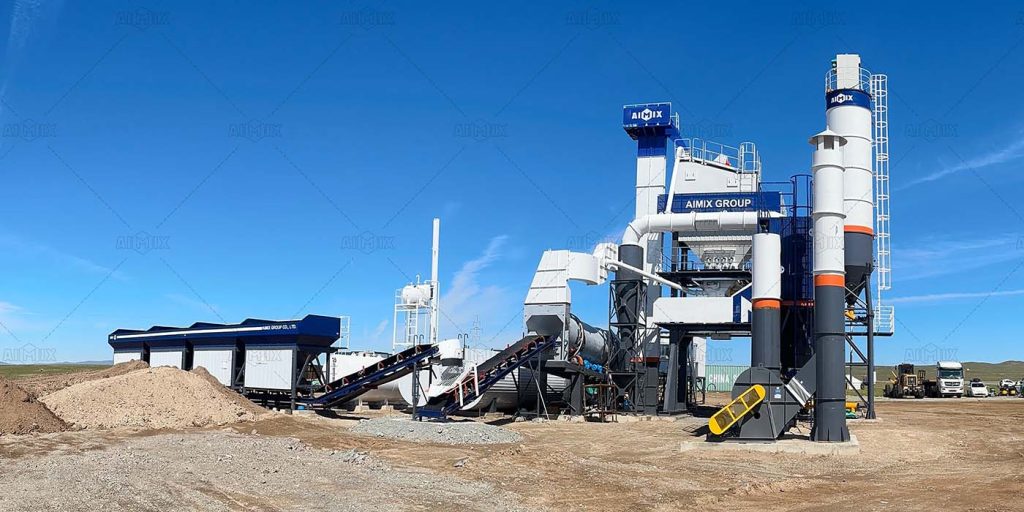
Types Of Asphalt Plants And Their Performance In Emergency Projects
Different asphalt plants offer different advantages. However, not all of them are suitable for emergency repair work. Below is a practical comparison based on real construction scenarios.
Stationary Batch Asphalt Plants
Batch plants are widely used in large-scale highway construction. They produce high-quality asphalt with precise control. However, they require stable installation and longer setup time.
In emergency repair situations, this becomes a limitation. When the plant is far from the site or requires fixed infrastructure, transportation delays can slow down the entire operation.
For example, stationary discontinuous asphalt plants are highly efficient for long-term production, but less flexible when rapid relocation is needed.
Still, batch plants are useful when emergency work is planned near an existing production site.
Drum Mix Asphalt Plants
Drum mix plants offer continuous production, which helps maintain steady output. They are efficient for large-volume projects and reduce mixing interruptions.
However, traditional drum plants are not always easy to relocate. Their semi-fixed structure limits flexibility when multiple emergency sites are involved.
So, while they are efficient, they are not always the fastest solution for urgent road repair.
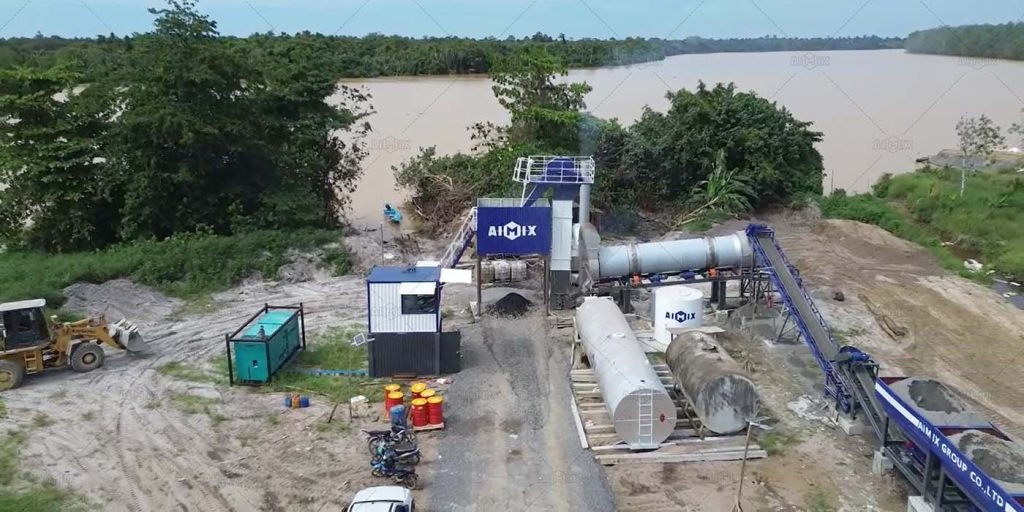
Mobile Asphalt Plants
Mobile asphalt plants are often the best choice for emergency road repair projects. They combine mobility, fast installation, and flexible production in one system.
Unlike stationary systems, mobile plants can be transported quickly to different locations. They also require minimal foundation work, which saves valuable setup time.
More details about deployment and structure can be found in mobile asphalt stations, which are specifically designed for fast relocation and rapid commissioning.
This advantage becomes critical when roads must reopen within hours or days instead of weeks.
Small And Compact Asphalt Mixing Units
Compact units are suitable for very small-scale emergency repairs, such as pothole patching or local street maintenance. They are easy to operate and highly portable.
However, their production capacity is limited. For highway-level emergency repairs, they may not provide enough output.
As a result, they are best used as supplementary equipment rather than the main production solution.
Now that we understand each type, let’s focus on why mobile asphalt plants stand out in most emergency scenarios.
Why Mobile Asphalt Plants Work Best For Emergency Road Repair
In real construction practice, speed determines success. Mobile asphalt plants align perfectly with this requirement. They reduce downtime, improve flexibility, and support rapid deployment.
Quick Deployment Reduces Project Delays
Mobile plants can be installed in a very short time compared to stationary systems. This means contractors can start production almost immediately after arriving on site.
In emergency road repair, this time saving directly reduces traffic disruption and improves public safety.
Flexible Location Placement
Emergency repairs often happen in unpredictable locations. A mobile plant allows contractors to place production closer to the damaged road.
As a result, material transport distance becomes shorter. This reduces truck cycles and speeds up paving operations.
Efficient Resource Coordination
When the plant is close to the repair site, coordination becomes easier. Workers can adjust production based on real-time paving needs. This reduces material waste and improves efficiency.
In addition, communication between mixing and paving teams becomes more direct and effective.
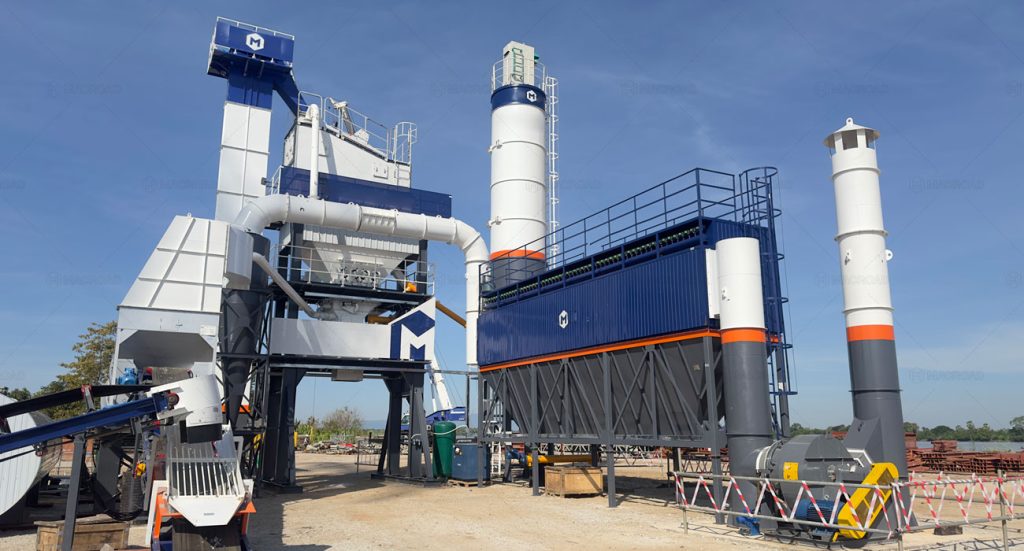
High Adaptability For Different Project Sizes
Mobile asphalt plants can handle both small and medium emergency projects. Contractors can adjust output based on the situation without changing the entire setup.
This adaptability makes them ideal for regions where road damage varies across different locations.
However, selecting the right plant is not only about type. Contractors must also consider practical decision factors before investing.
How To Choose The Right Asphalt Plant For Emergency Projects
Choosing the right plant requires a balance between speed, capacity, and long-term usability. Contractors should evaluate the following points carefully.
Project Response Time Requirement
If the project requires immediate action within 24–48 hours, mobile plants become the most logical choice. If time allows for preparation, other plant types may also work.
Expected Daily Output
Estimate how much asphalt you need per day. Overestimating or underestimating can lead to inefficiency. A balanced capacity ensures continuous paving without delays.
Site Accessibility
If the site is difficult to access, mobility becomes even more important. Narrow roads or urban areas strongly favor compact or mobile systems.
Budget And Long-Term Usage
Emergency projects may be temporary, but equipment often serves multiple future projects. Investing in a flexible plant improves long-term return on investment.
Now let’s look at a real-world scenario to understand how these choices work in practice.
Real-World Scenario: Night Emergency Highway Repair
Imagine a highway section collapses after heavy rainfall. Traffic must be restored within 48 hours. Contractors arrive at night to begin repair work immediately.
A mobile asphalt plant is deployed near the damaged section. Within hours, production begins. Trucks cycle quickly between plant and site. Paving teams work continuously through the night.
Because the plant is close, transportation time drops significantly. As a result, the road reopens on schedule, and traffic flow returns to normal faster.
This scenario clearly shows why mobility and speed matter more than anything else in emergency road repair.
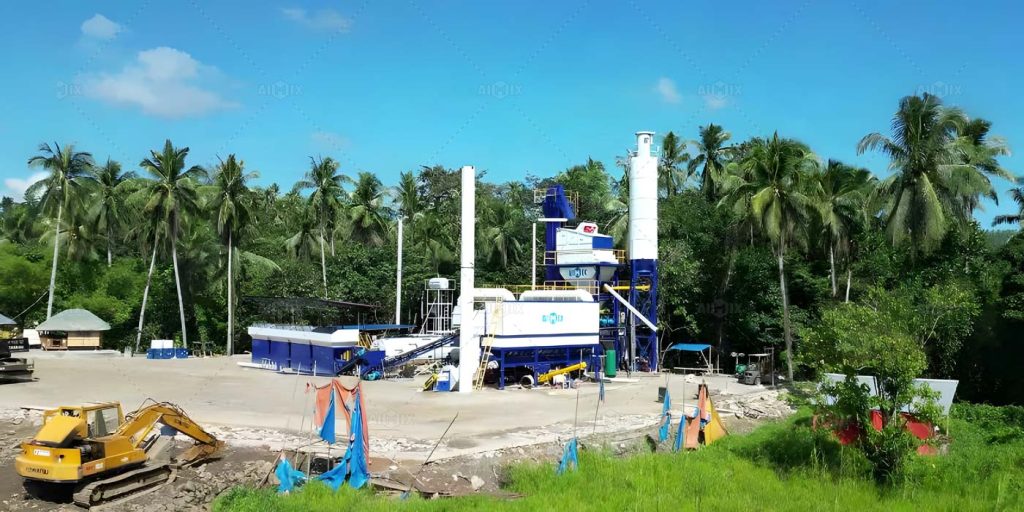
Conclusion: The Best Choice For Emergency Asphalt Projects
Emergency road repair projects demand fast action, stable production, and flexible deployment. Among all asphalt plant types, mobile asphalt plants consistently perform best in these conditions.
They reduce setup time, improve coordination, and support fast response in unpredictable environments. While batch and drum plants still play important roles in large-scale construction, they often lack the flexibility required for urgent repairs.
If your goal is to restore roads quickly, reduce downtime, and maintain consistent asphalt quality under pressure, then a mobile asphalt plant becomes the most practical solution.
If you are planning emergency-ready road construction equipment or want to improve your project response capability, choosing the right asphalt plant is the first step. A well-matched system does not just produce asphalt—it helps you save time, reduce losses, and deliver safer roads faster.
If you want to explore suitable asphalt plant solutions for emergency road repair projects, contact our team to get a customized recommendation based on your project scale and location requirements.