
When planning large-scale road construction projects, particularly in regions like South Africa, contractors often face the challenge of ensuring that their asphalt plant can deliver the required output over a long duration. A 160 TPH (Tons Per Hour) asphalt manufacturing plant is often considered for such projects due to its capacity, but can it handle continuous production for a two-year road construction project? Let’s explore how this plant could be an ideal choice for your project, considering both the needs of the contractor and the realities of the construction industry.
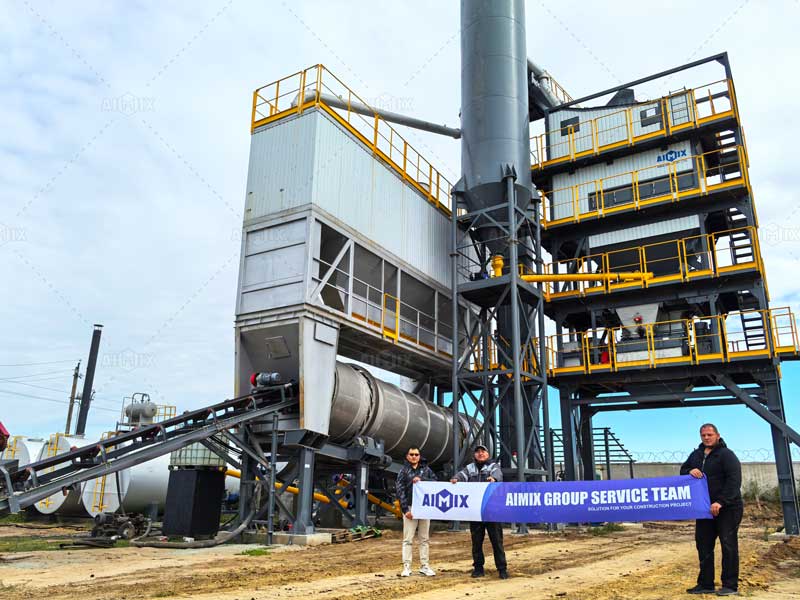
Understanding the Requirements of a 2-Year Road Project
Before determining whether a 160 TPH asphalt plant can meet the demands of a two-year road construction project in South Africa, it’s essential to understand the scope of such a project. Road projects of this scale require high production capacities to maintain a steady flow of material over an extended period. The plant must not only produce enough asphalt to cover the daily needs of the project but also do so consistently throughout the project duration.
The project in question will require thousands of tons of asphalt over two years. Assuming a continuous construction schedule, the asphalt plant must operate efficiently for a significant number of hours each day, often under harsh conditions. It’s crucial to consider the plant’s reliability, maintenance, and ability to operate continuously without significant downtime. For these types of projects, a reliable asphalt plant for sale in South Africa is critical to meeting project deadlines.
How a 160 TPH Asphalt Plant Meets the Demand
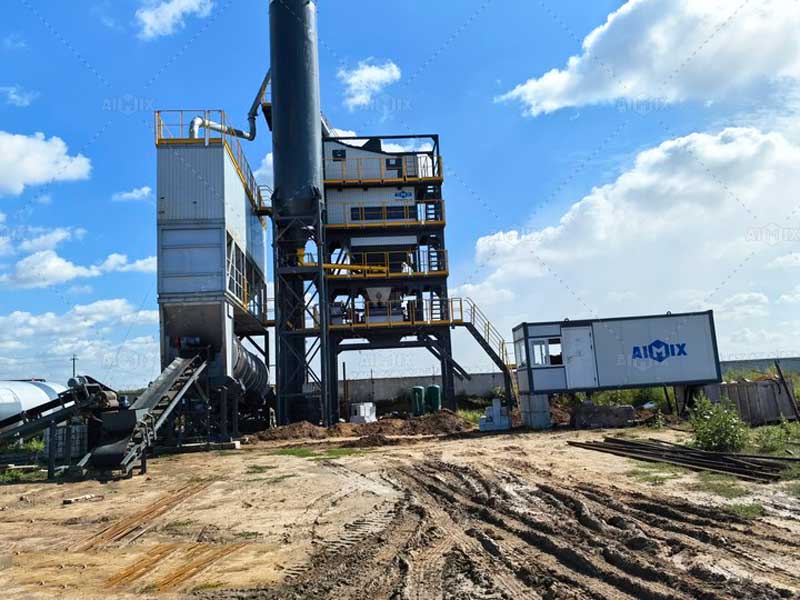
A 160 TPH asphalt plant is capable of producing 160 tons of asphalt per hour, which can cover a wide range of road construction needs. For large projects like those in South Africa, where road networks are expanding or being upgraded, this output capacity can ensure that there is enough material for consistent paving operations. Let’s break down how this plant can handle such demands:
High Production Capacity
The primary advantage of a 160 TPH asphalt plant is its high output. With a production rate of 160 tons per hour, the plant can support significant daily requirements. For instance, assuming an 8-hour workday, the plant can produce up to 1,280 tons of asphalt per day. Over a 2-year period, this translates into millions of tons of asphalt – enough to complete major portions of a road project that require substantial material. This capacity helps reduce delays in construction and keeps the project on schedule. Many contractors in South Africa rely on asphalt manufacturing plants for such heavy-duty projects.
Continuous Operation and Efficiency
For large-scale projects, continuous operation is essential. The 160 TPH plant is designed for high uptime, meaning it can operate for long hours, often reaching 20 to 24 hours a day, depending on the project’s needs. The key to maintaining efficiency during extended operations lies in the plant’s robust design, quality of components, and ease of maintenance. Regular maintenance checks and proper management can help the plant run without interruptions, ensuring the project does not experience costly delays. By using an asphalt hot mix plant, contractors can ensure a smoother flow of materials at all times.
Adaptability to Various Road Conditions
South Africa’s diverse road conditions – from highways to rural roads – require different types of asphalt mixtures. The 160 TPH asphalt plant is flexible in producing various grades and mixtures, ensuring that the right type of asphalt is available for different sections of the road. Whether it’s hot-mix asphalt for high-traffic areas or cold-mix for low-traffic rural roads, the plant can be configured to meet these needs efficiently.
Challenges and Considerations
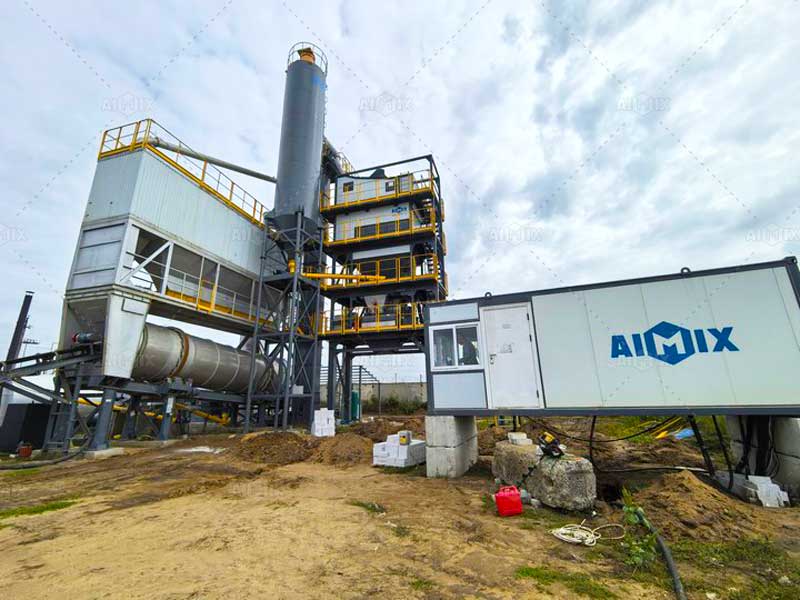
While the 160 TPH asphalt plant can meet the production demands of a 2-year road project, there are a few challenges to keep in mind:
Maintenance and Downtime
Like any heavy machinery, the asphalt plant requires regular maintenance to ensure it operates at peak efficiency. While the plant is designed to run continuously, downtime for maintenance and repairs is inevitable. However, if maintenance schedules are carefully planned and spare parts are readily available, these interruptions can be minimized, keeping the project on track. Batch asphalt plants are often chosen for their reliable performance in extended operation.
Fuel and Operational Costs
As with any large-scale operation, fuel and operational costs can add up over time. It’s essential to factor in the cost of fuel, electricity, and labor when determining the overall project budget. However, a well-maintained 160 TPH asphalt plant is relatively efficient, which helps reduce these ongoing costs, ultimately making it a cost-effective solution for long-term projects.
The Bottom Line: Is the 160 TPH Asphalt Plant the Right Choice?
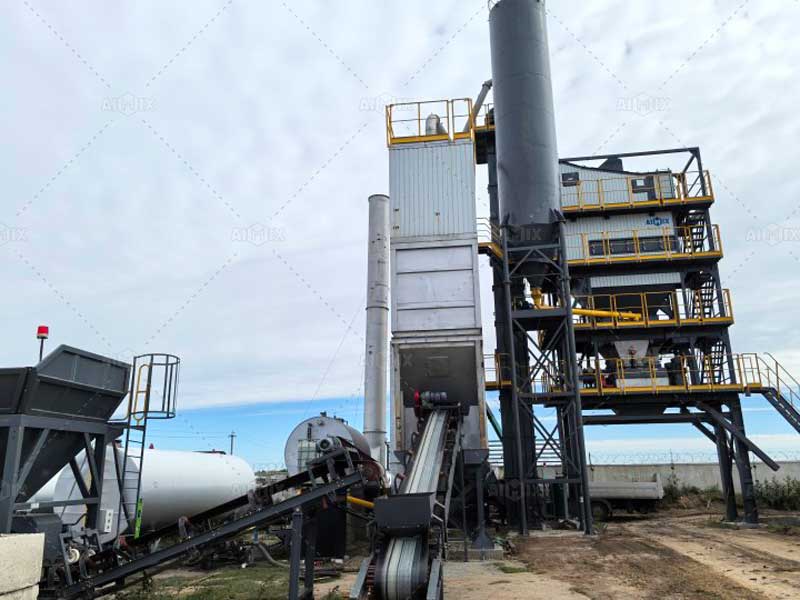
In conclusion, a 160 TPH asphalt plant is well-suited for a 2-year road construction project in South Africa. Its high production capacity, continuous operation capabilities, and flexibility in producing various asphalt mixtures make it an ideal choice for large-scale infrastructure projects. While there are challenges such as maintenance and operational costs, these can be mitigated with proper planning and regular maintenance.
If you’re looking to ensure the success of your road project with a reliable and efficient asphalt plant, the 160 TPH model can meet both your immediate and long-term needs. Investing in this technology will help you keep your project on schedule, maintain quality, and ensure the longevity of the constructed road.