
In remote quarries across Latin America, from the Atacama Desert in Chile to the Andean highlands of Peru, a quiet revolution is underway. The days of intimidating control panels with dozens of unlabeled buttons and cryptic warning lights are fading. Today, a new generation of crushing equipment combines automotive-style one-button startup with industrial PLC touchscreens, enabling local novice operators—many with no prior crushing experience—to safely run a mobile stone crusher after just 10 minutes of guided training. This accessibility is transforming project timelines and reducing reliance on scarce specialized technicians. Whether operating a mobile stone crusher in rugged mountain terrain or feeding material into a fixed aggregate crusher plant, the learning curve has never been shorter.
Why Latin America Demands Simpler Crushing Controls
Latin America’s construction and mining sectors are growing rapidly, but skilled equipment operators remain in short supply. Traditional crusher interfaces often use complex relay logic, requiring weeks of on-the-job training. High operator turnover and language barriers further compound the problem. For any aggregate crusher plant operating in remote areas, the ability to quickly train local hires is a competitive advantage. Below are the key challenges faced by project managers when deploying a mobile stone crusher(trituradora de piedra móvil) or a fixed plant in the region:
- Shortage of certified crusher technicians in rural areas of Chile and Peru
- High training costs due to lengthy learning curves for each new aggregate crusher plant
- Safety risks from improper start-up sequences on any mobile stone crusher
- Production delays when experienced operators are absent from the stone crusher plant Chile or stone crusher Peru locations
In response, manufacturers have redesigned user interfaces around two principles: visual clarity and logical flow. The result is a system where a single green button initiates the entire startup sequence, while a color PLC touchscreen displays every critical parameter in Spanish or Portuguese. This design is equally effective for a mobile stone crusher working on highway projects or a stationary aggregate crusher plant producing material for concrete batches.
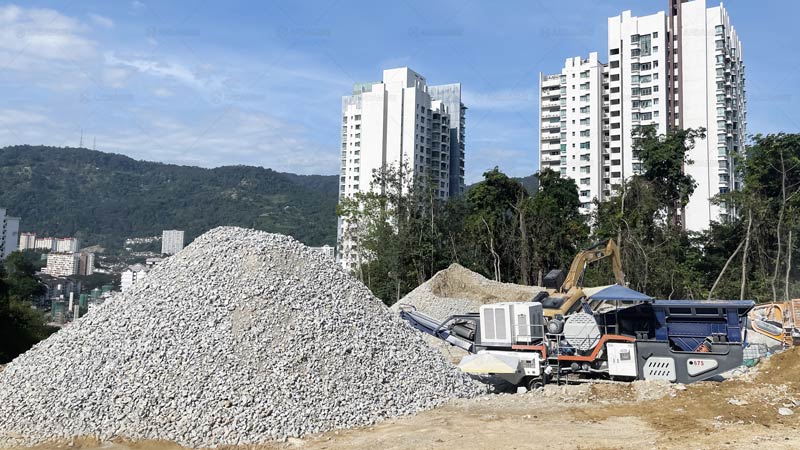
The One-Button Start Sequence Explained
Pressing the single start button triggers a pre-programmed sequence. The PLC follows a strict logical order to ensure safety and equipment longevity. This sequence works identically whether the operator is controlling a mobile stone crusher on a moving track system or a fixed aggregate crusher plant with multiple conveyors. Here is what happens automatically after the button is pressed:
| Step | Action | Typical Duration |
|---|---|---|
| 1 | Check all safety interlocks (guards, doors, e-stops) on the mobile stone crusher | 2 seconds |
| 2 | Activate dust suppression system for the aggregate crusher plant | 3 seconds |
| 3 | Start main discharge conveyor on the mobile stone crusher | 5 seconds |
| 4 | Start vibrating feeder (low speed) feeding the stone crusher plant Chile | 5 seconds |
| 5 | Start crusher motor (soft-start) on the stone crusher Peru unit | 10 seconds |
| 6 | Ramp feeder to target speed for the aggregate crusher plant | 15 seconds |
The entire process takes less than 60 seconds. If any sensor detects an anomaly—such as a jammed conveyor or low oil pressure—the PLC halts the sequence and displays the exact issue on the touchscreen with a simple diagram. For a novice running a mobile stone crusher on a remote Chilean hillside(planta chancadora de piedra en una remota ladera chilena), this is far safer than guessing which of twenty mechanical switches to throw. The same logic applies to any stone crusher plant Chile operation, where dust and vibration are constant challenges.
What the Operator Sees on Screen During Start
During the one-button start sequence of any mobile stone crusher or aggregate crusher plant, the PLC touchscreen shows a simple progress bar with icons for each component. Green checkmarks appear as each step completes. If a fault occurs, the screen turns yellow or red and shows a text description such as “Conveyor 1 jam – check tail pulley.” No prior technical knowledge is required to interpret this information. Operators at a stone crusher Peru site reported that this visual feedback alone reduced their anxiety by more than half during the first shift.
PLC Touchscreen: Visual Guidance for Every Step
The heart of the system is a ruggedized 7-inch or 10-inch PLC touchscreen, sealed against dust and vibration. Instead of cryptic codes, the screen shows intuitive icons: a hopper for feed rate, a gear for conveyor speed, a thermometer for engine temperature. Operators can tap any icon to see real-time data and recommended setpoints. This design is tailored for every type of installation, from a mobile stone crusher that moves between quarries to a permanent aggregate crusher plant producing thousands of tons per day.
Beginner Mode vs. Advanced Mode
The touchscreen offers two interface modes that can be switched by a supervisor using a simple PIN code:
- Beginner Mode: Shows only five main controls (start, stop, feed rate, crusher speed, emergency stop). Ideal for first-day operators learning a new mobile stone crusher.
- Advanced Mode: Displays all parameters including bearing temperatures, hydraulic pressure, belt tracking, and historical alarms. Used by supervisors and maintenance staff at any stone crusher plant Chile or stone crusher Peru location.
This dual-mode approach ensures that new operators are not overwhelmed while still providing full access for those who need it. The same touchscreen works equally well for a small mobile stone crusher or a large aggregate crusher plant with multiple crushing stages.
Case Example: Stone Crusher Plant Chile
At a recent installation of a stone crusher plant Chile in the Antofagasta region, project managers tested two groups of new hires. The first group trained on traditional push-button panels for one week; the second group learned on the one-button + PLC touchscreen system while operating a mobile stone crusher in the same quarry. The results were dramatic:
| Training Method | Time to Competency | Error Rate (First Shift) | Supervisor Intervention Needed |
|---|---|---|---|
| Traditional push-button panel on a mobile stone crusher | 3 days | 12% | Every 20 minutes |
| One-button + PLC touchscreen on the stone crusher plant Chile | 10 minutes | 2% | Once per shift |
After just 10 minutes of guided instruction, 90% of the touchscreen group could safely start, monitor feed levels, adjust crusher speed, and shut down the mobile stone crusher. The Chilean plant manager noted that downtime from operator errors fell by nearly 70% after switching to the PLC system for their entire aggregate crusher plant operation.
Adapting to Local Aggregate Needs
Latin America’s aggregate industry demands flexibility. A single aggregate crusher plant(Una sola planta trituradora de agregados) might produce base course material for highways in the morning and fine concrete sand in the afternoon. Similarly, a mobile stone crusher may need to change settings multiple times per day as it moves between different job sites. The PLC touchscreen stores up to ten different recipe profiles to handle these variations.
How Recipe Switching Works
To change from 1½-inch base material to ¾-inch concrete aggregate, an operator follows these three simple steps on any mobile stone crusher or fixed aggregate crusher plant:
- Tap “Recipes” on the main screen of the stone crusher plant Chile control panel.
- Select “Concrete Sand – 3/4 inch” from the list (a preset for the aggregate crusher plant).
- Tap “Apply” and confirm on the mobile stone crusher touchscreen.
The PLC automatically adjusts crusher gap settings, feeder speed, and belt tracking. No wrenches, no guesswork, and no need to call a supervisor. This capability is especially valuable on road projects where material specs change frequently. The entire recipe change takes less than 30 seconds, whether the equipment is a mobile stone crusher or a stationary aggregate crusher plant.
Real-World Results: Stone Crusher Peru
In Peru’s Cusco region, a medium-sized contractor purchased a stone crusher Peru unit with PLC touchscreen controls. The crew included three young operators who had previously worked only as truck drivers. They were tasked with running a mobile stone crusher that needed to relocate every two weeks to follow road construction progress. After a 10-minute walkthrough of the one-button start and screen navigation, all three successfully ran the mobile stone crusher for a full shift, producing 200 tons of graded base material. The owner reported that the intuitive interface allowed him to reassign his one experienced crusher mechanic to maintenance tasks rather than babysitting the controls. “Before, if the mechanic went to lunch, the mobile stone crusher stopped,” he said. “Now anyone can run it.” The same contractor later purchased an additional aggregate crusher plant for a different site, specifying the same PLC touchscreen system for consistency.
Another stone crusher Peru operation in the Arequipa region reported similar success. Their mobile stone crusher had previously sat idle for two weeks while waiting for a specialized operator. After retrofitting the one-button start PLC system, four general laborers became competent operators within a single morning. The site manager estimated that the upgrade paid for itself in less than three months through reduced downtime and increased utilization of the aggregate crusher plant.
Safety and Troubleshooting Made Simple
One common fear among novice operators is not knowing what to do when something goes wrong on a mobile stone crusher or fixed aggregate crusher plant. The PLC touchscreen addresses this directly through a structured troubleshooting guide built into the interface.
Fault Response Workflow
When a fault occurs on any mobile stone crusher or stone crusher plant Chile installation, the touchscreen follows a clear four-step display pattern:
- Step 1 – Visual alert: The entire screen border turns red, and a warning icon appears on the aggregate crusher plant display.
- Step 2 – Component diagram: A simple drawing shows exactly which part of the mobile stone crusher has the problem (e.g., left side of main conveyor).
- Step 3 – Plain-language description: Text such as “Belt tracking off-center – check roller at tail pulley of the stone crusher Peru unit.”
- Step 4 – Suggested fix: Three possible causes listed from most to least likely, with simple remedies for the aggregate crusher plant.
For urgent stop situations, the one-button start logic also includes a single red “emergency stop” button that instantly cuts power to all motors on the mobile stone crusher, located right next to the green start button. This consistency across all equipment—whether a mobile stone crusher or a fixed aggregate crusher plant—reduces confusion during emergencies.
Common Faults and Their Screen Messages
| Fault Type | Screen Message | Suggested Fix (Displayed) |
|---|---|---|
| Crusher cavity overload on mobile stone crusher | Feed rate too high – amps above limit on stone crusher plant Chile | Reduce feeder speed by 20% using slider on aggregate crusher plant screen |
| Belt misalignment on stone crusher Peru | Conveyor 2 tracking left on mobile stone crusher | Check roller 4; tap “Tracking Assist” for video guide |
| Low hydraulic oil on aggregate crusher plant | Oil level below minimum in stone crusher plant Chile | Add ISO 46 oil at rear tank – level sensor shown for mobile stone crusher |
| Emergency stop pressed on stone crusher Peru | E-stop active at control station of mobile stone crusher | Twist red button clockwise to reset on aggregate crusher plant |
Operators at a stone crusher plant Chile noted that the on-screen troubleshooting reduced their average fault resolution time from 45 minutes to under 10 minutes. A mobile stone crusher operator in Peru reported that he successfully cleared a belt tracking issue on his first day without calling a supervisor, simply by following the screen prompts.
Training in Minutes, Not Days
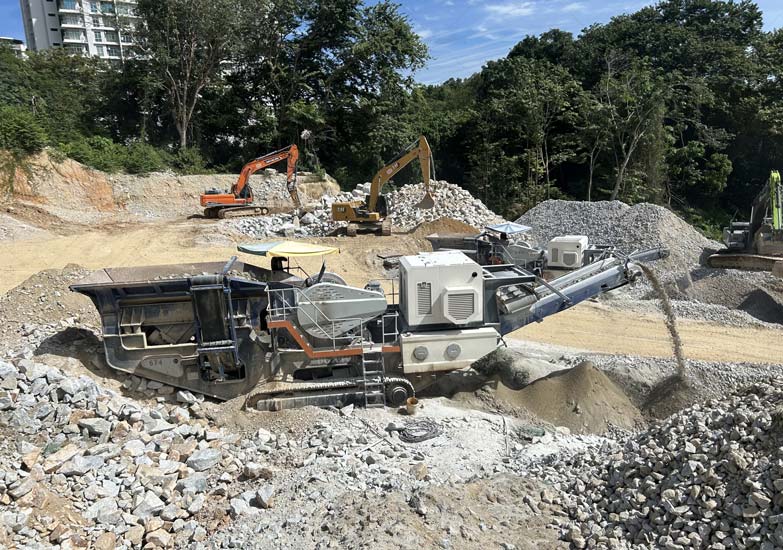
The 10-minute training session covers just five screens, each accessible from the main menu. This curriculum is identical for any mobile stone crusher, fixed aggregate crusher plant, stone crusher plant Chile, or stone crusher Peru installation. Here is the complete beginner training curriculum:
- Screen 1 (Main Dashboard): How to read production rate, engine hours, and alarm status on the mobile stone crusher.
- Screen 2 (Start/Stop): Green button for start, red button for emergency stop on the aggregate crusher plant. Normal stop is a separate soft button.
- Screen 3 (Feed Control): Slider to increase or decrease material feed into the stone crusher plant Chile.
- Screen 4 (Crusher Settings): One slider for jaw/cone speed, one for gap adjustment (with safety limits) on the mobile stone crusher or stone crusher Peru unit.
- Screen 5 (Shutdown): Proper shutdown sequence for the aggregate crusher plant – stop feeder first, run crusher empty for 30 seconds, then stop.
A laminated quick-reference card attached to the control panel reinforces these steps for every mobile stone crusher and aggregate crusher plant. Because the PLC logs all operator actions, supervisors can review the previous shift’s settings and identify any repeated mistakes for targeted coaching. Over time, even the most reluctant novice becomes comfortable with fine-tuning parameters like jaw gap or cone speed on a mobile stone crusher or fixed stone crusher plant Chile.
One training supervisor at a stone crusher Peru(chancadora de piedra Perú)operation reported that after implementing the 10-minute PLC training program, his team was able to qualify 15 new mobile stone crusher operators in a single week—a process that previously took two months using traditional methods.
Why PLC Touchscreens Are Outperforming Old Methods
Compared to analog gauges and mechanical levers, PLC-based systems offer diagnostic precision and remote monitoring. Many units now include optional 4G connectivity, allowing a supervisor in Santiago or Lima to view real-time crusher performance from a smartphone. This remote capability is especially valuable for monitoring a mobile stone crusher that moves between quarries or an aggregate crusher plant in a remote part of the stone crusher Peru region.
Key Advantages Summary
- Reduces training time from days to minutes for any mobile stone crusher
- Eliminates language barriers through visual icons on every aggregate crusher plant
- Lowers risk of damage from improper start sequences on a stone crusher plant Chile
- Enables quick recipe changes without tools on a mobile stone crusher or stone crusher Peru unit
- Provides built-in troubleshooting for common faults across every aggregate crusher plant
- Allows remote monitoring of mobile stone crusher performance from city offices
As more aggregate crusher plant operators across Latin America adopt this technology, the region’s chronic shortage of skilled crusher technicians becomes less of a bottleneck. For a young worker in rural Peru operating a mobile stone crusher for the first time, or a construction laborer in northern Chile learning to run a fixed stone crusher plant Chile, the ability to step into a control cabin and safely operate after a single 10-minute lesson is more than a convenience—it is a gateway to stable, skilled employment. The combination of one-button start and PLC touchscreen does not dumb down the crushing process; it removes unnecessary complexity, letting the operator focus on what truly matters: keeping material flowing and meeting production targets on every mobile stone crusher, aggregate crusher plant, stone crusher plant Chile, and stone crusher Peru unit. As one Chilean plant manager put it, “We used to look for crusher wizards. Now we just need people who can follow pictures on a screen. And that is exactly who shows up every morning to run our mobile stone crusher.”